Frequency and Pitch Correlation
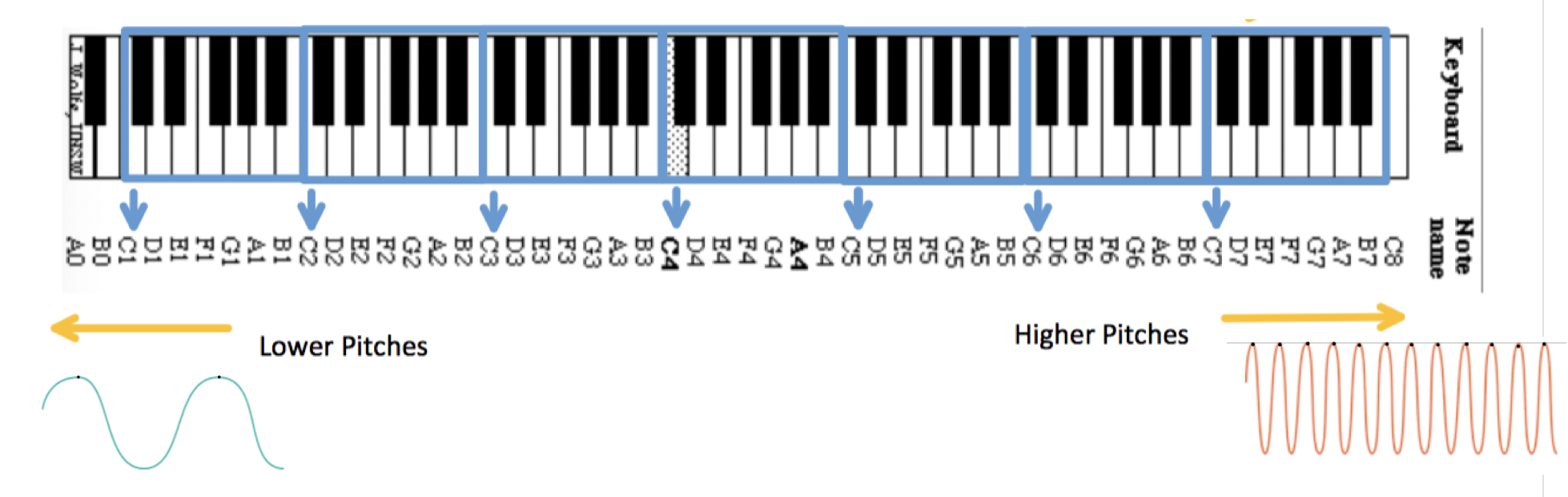
From what we observed in the previous slide, lower frequencies are characterized by a smaller number of patterns repeating steadily each second, resulting in slower repetitions. This slower pace of repetition is perceived by our brains as lower pitches.
Conversely, higher frequencies feature a greater number of patterns repeating rapidly within the same timeframe, leading to faster repetitions. These faster repetitions perceived by our brains as higher pitches.
Car Engine VROOM
-
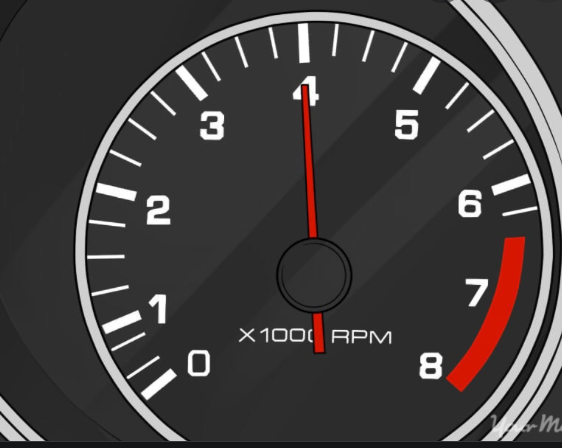
Engine Revolutions: The engine operates in a cyclic and consistent pattern, completing a set number of revolutions within a given time frame. As the engine revolves, it causes the components inside to move in a rhythmic pattern.
-
Air Pressure Waves: This rhythmic movement of the engine's parts compresses and decompresses the air in and around the engine. These changes in air pressure create waves that propagate through the air.
-
Sound Waves and Pitch: These air pressure waves are essentially sound waves. The frequency of these sound waves is determined by how many times the engine's parts complete their cycle in one second. This frequency is what our ears interpret as pitch.
In summary, when you rev the engine and the RPM increases, the frequency of the engine's sound also increases, leading to a higher pitch that is heard as the engine's "vroom" getting higher.