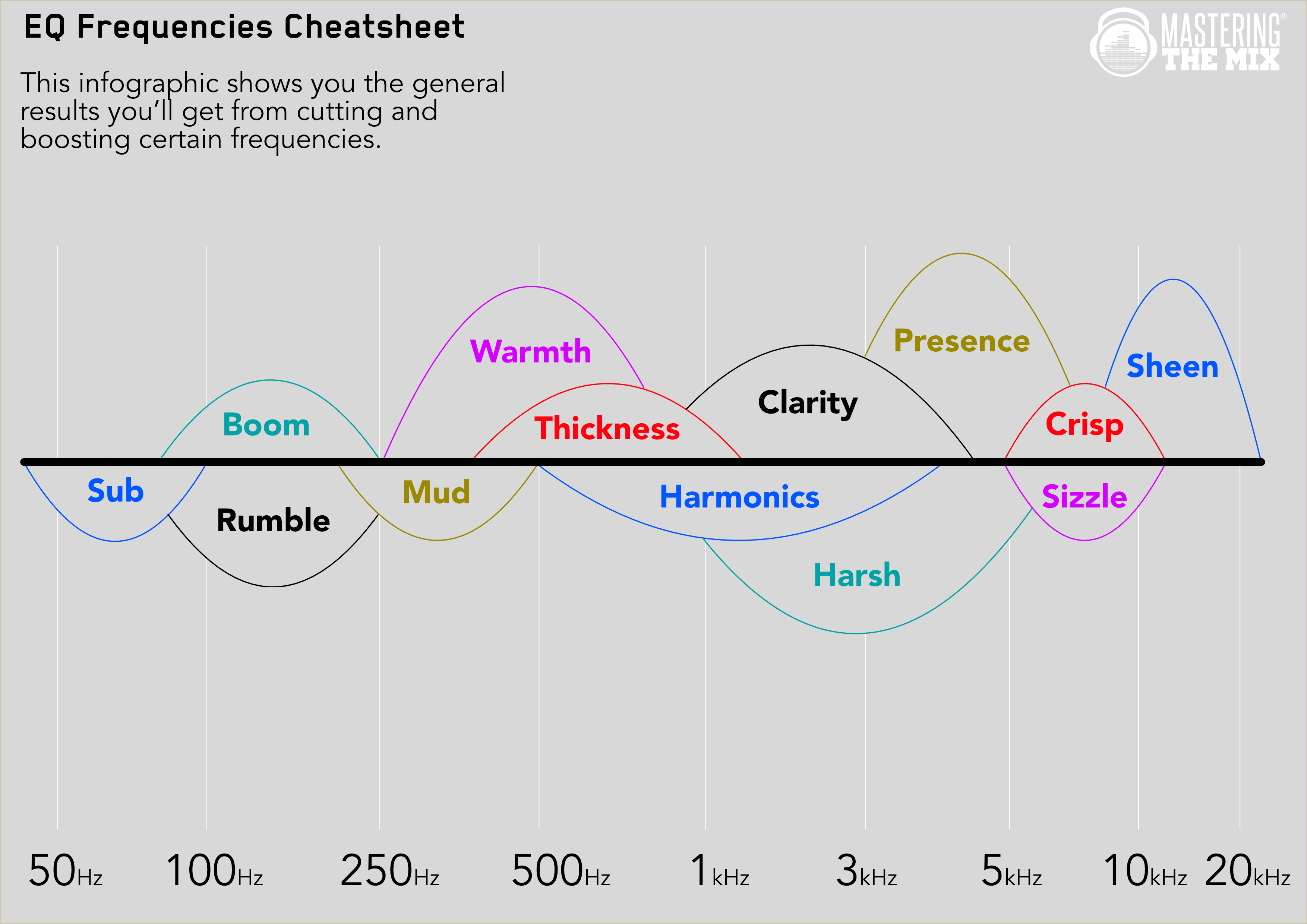
Instrument Frequency Ranges
In reality, many sounds in the real world are even more complex than what we've discussed so far. For a simple grasp of the fundamental frequencies present in a sound, check out the following information.
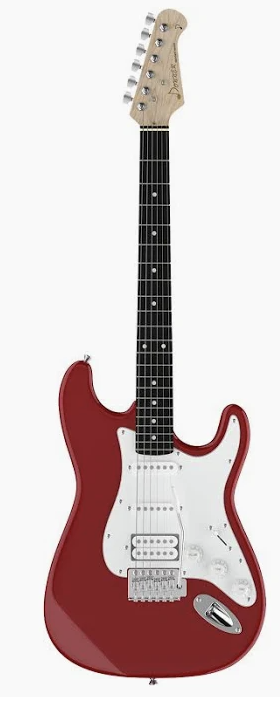
- Electric Guitar:
- Frequency Range: Approximately 82 Hz to 1.2 kHz (fundamental frequencies)
- Harmonics can extend up to: 6 kHz or more
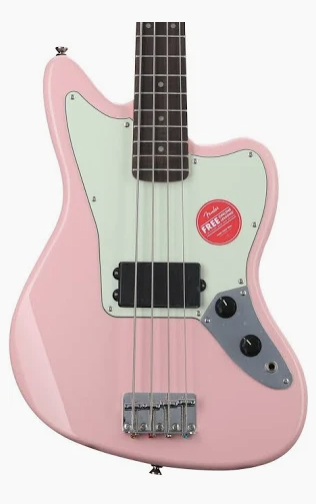
- Bass Guitar:
- Frequency Range: About 41 Hz to 350 Hz (fundamental frequencies)
- Harmonics can extend up to: 1 kHz
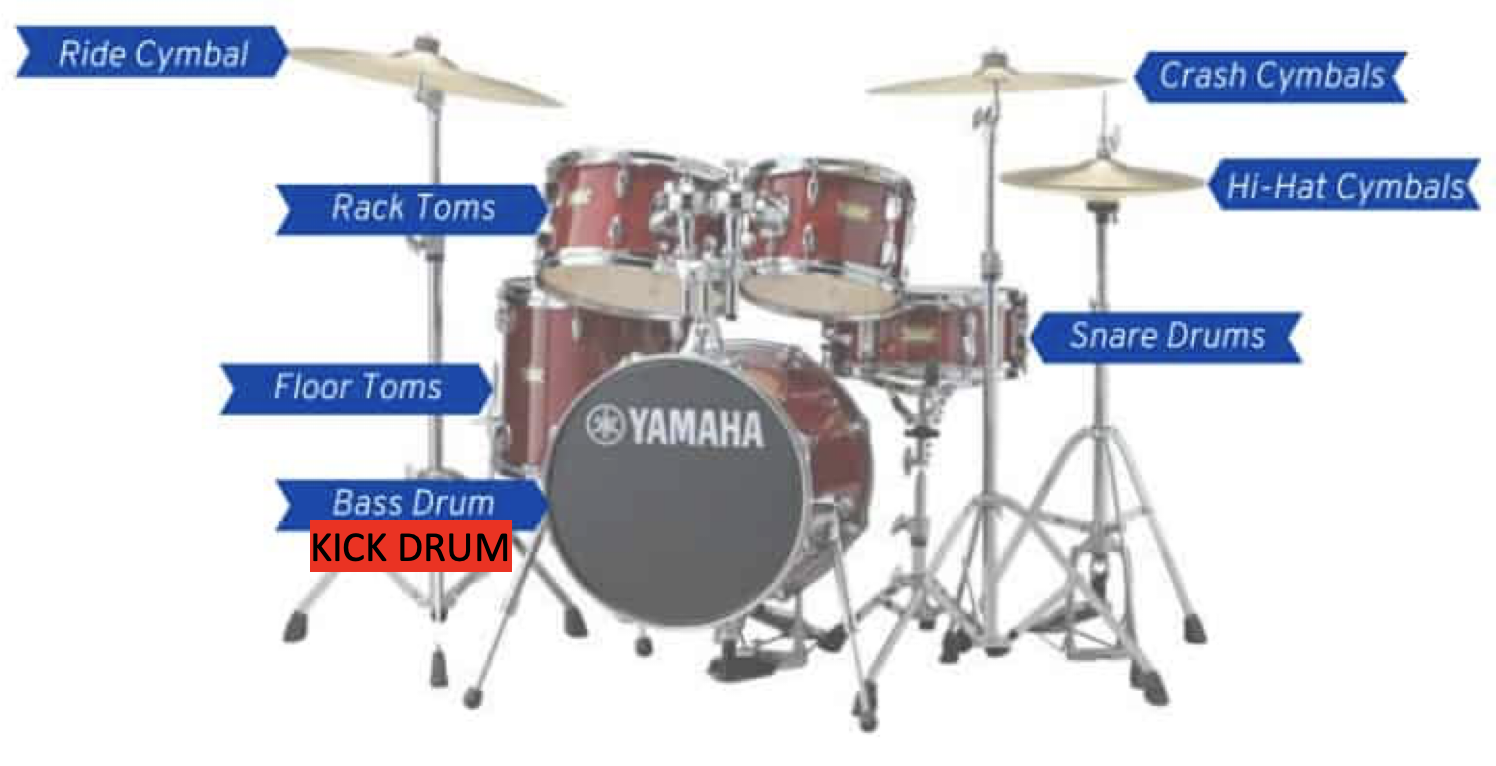
- Drums:
- Kick Drum: 60 Hz to 100 Hz (fundamental tone), with harmonics and overtones up to 3 kHz for the attack click
- Snare Drum: 200 Hz to 300 Hz for the body, with snares' rattle and crispness up to 10 kHz
- Overheads (Cymbals and Entire Kit): Typically capture frequencies from 200 Hz for the body of the kit, with cymbals and high-hat overtones extending up to 20 kHz
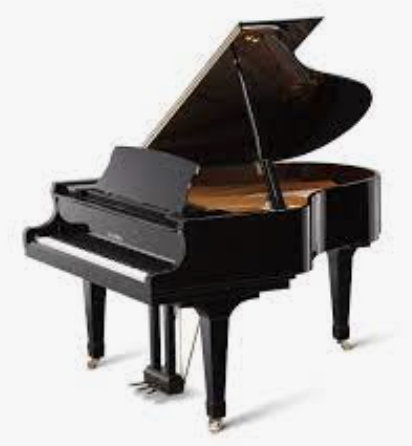
- Piano:
- Frequency Range: A wide range from 27.5 Hz (A0, the lowest note) to 4.186 kHz (C8, the highest note)
- Harmonics and overtones can extend up to: The limits of human hearing (approximately 20 kHz)
-
Saxophone (Alto):
- Frequency Range: Roughly 110 Hz to 2 kHz for the fundamental notes
- Harmonics can extend up to: About 8 kHz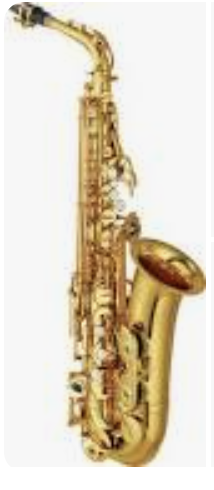
93x213 -
Voice:
- Male Voice:
- Bass: Fundamental frequencies typically range from about 85 Hz to 155 Hz.
- Baritone: Fundamental frequencies range from about 100 Hz to 200 Hz.
- Tenor: Fundamental frequencies range from about 130 Hz to 440 Hz.
- Female Voice:
- Alto: Fundamental frequencies typically range from about 175 Hz to 350 Hz.
- Soprano: Fundamental frequencies range from about 250 Hz to 1 kHz.
- Harmonics can extend up to: 8 kHz or more, with sibilant sounds (like "s" or "t") extending up to 10 kHz.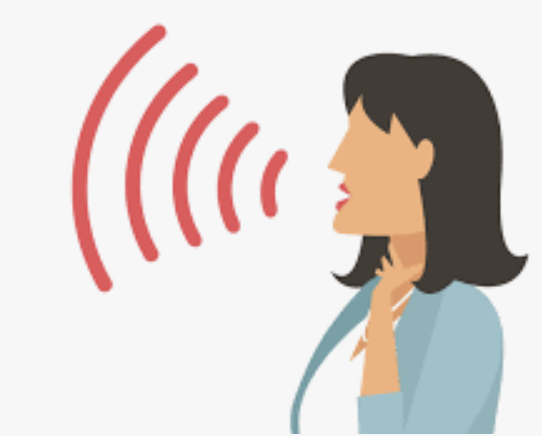
280x225
Instrument Frequency Ranges
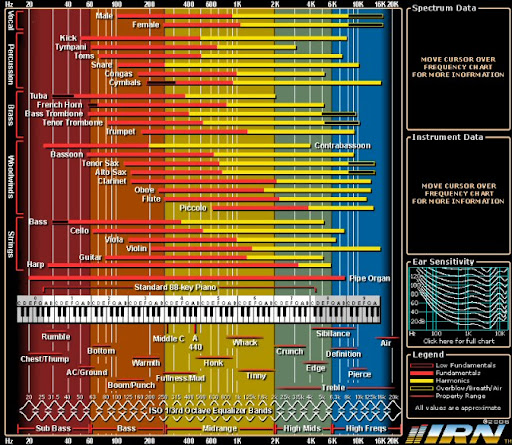
Subjective Sound Quality Terms