Expanding Your Creative Drum Vocabulary
Studying Drum Patterns
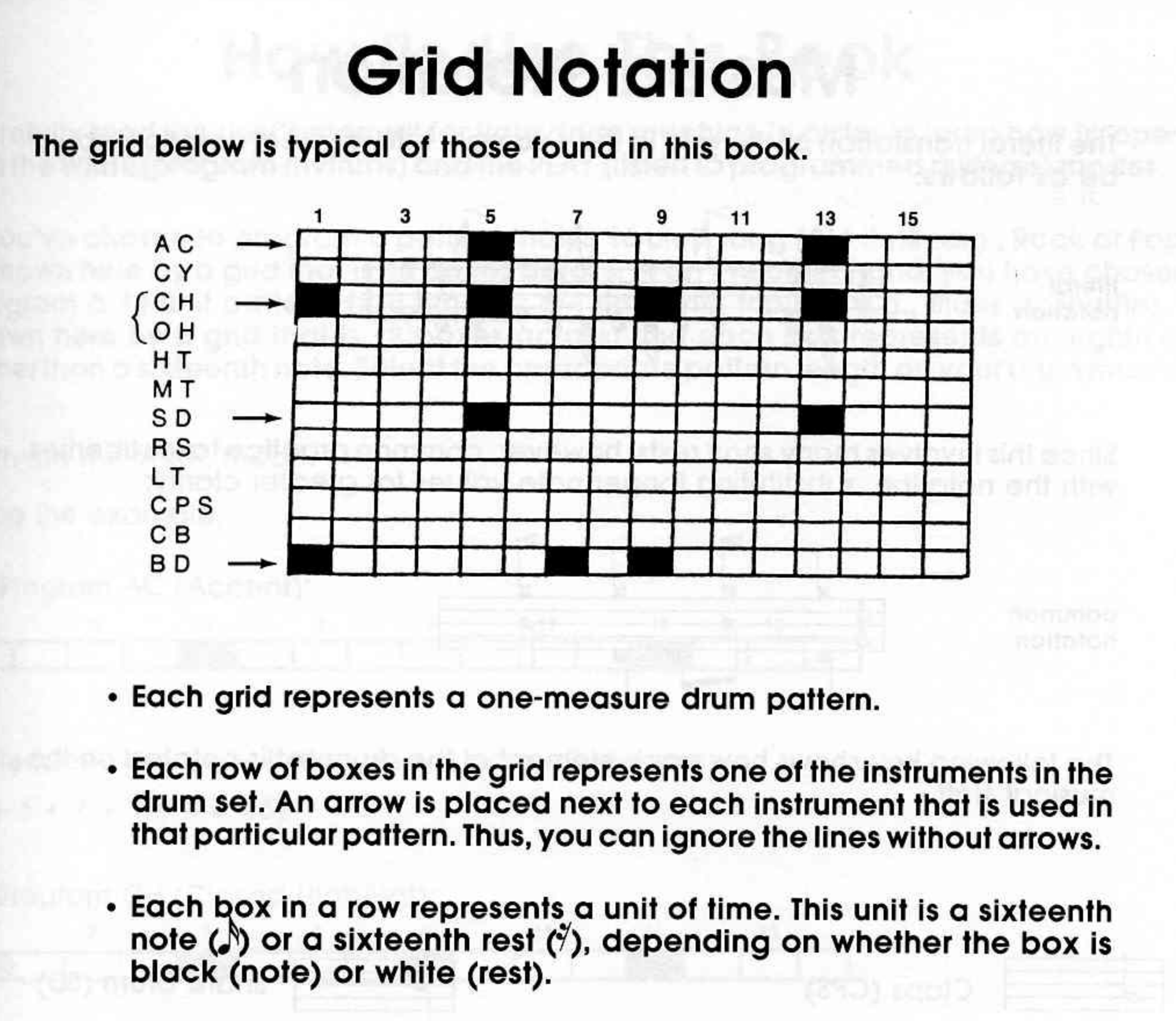
One essential skill for beatmakers is expanding their creative range by constantly experimenting with different styles and techniques. This prevents stagnation and encourages growth. As Stravinsky famously said, "Good composers borrow, great composers steal." A useful way to develop your skills is by studying the masters. For example, the book 260 Drum Machine Patterns offers a great resource for practicing and replicating various drum patterns on your preferred drum machine. Each pattern comes with variations across genres, giving you plenty of opportunities to explore. Remember, variety is the spice of life—so get comfortable programming drums in whatever style suits you!
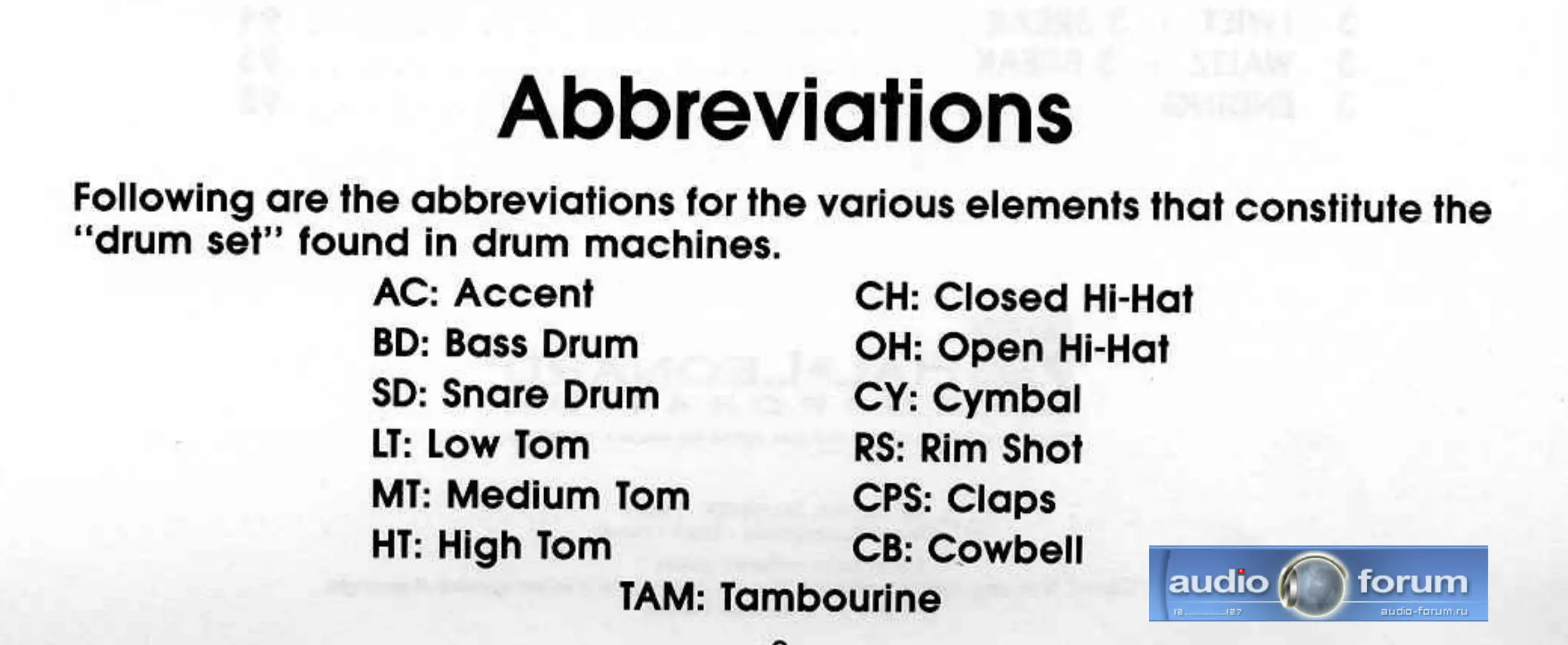
Here is the link to the 260 Drum Machine patterns book. Be sure to read the preface to understand what the abbreviations stand for.
Midi Drum Loops
Another option is to download pre-programmed MIDI drum loops. However, keep in mind that these loops might not always align perfectly with your specific drum plugin, requiring you to adjust some MIDI notes for everything to sound right. This approach can be a bit less intuitive because the original intent behind the programming isn’t always clear. On the other hand, using a resource like the book mentioned earlier provides more structured guidance, ensuring the programming is intentional and accurate. While it may take a bit more effort, it’s often worth it. Both methods are valuable as long as they help you expand your musical vocabulary and grow as a producer.
Here’s a Google Drive repository full of MIDI drum loops, along with other types of MIDI loops. I encourage you to experiment with the “chord progressions” loops as well. Remember, drum loops require a drum plugin to sound correctly, while chord progression loops need to be paired with appropriate instruments. Here’s the link: